IROS 2026: Humanoids!
The first day began with lots of workshops, not always what I was expecting, so I drifted from the planned schedule and dropped by a few others. One standout presentation came toward the end, when I heard from a Project Manager at Johnson Space Center. NASA has created a Challenge Prize to solicit open-source contributions from university and industry teams. More information is available on the page below:
 Jeramee Flemming
The software tooling is based on ROS and includes URDF files for simulation. The actual robot hardware used for testing and to identify the winning entry are COTS-based robots with open hardware designs.
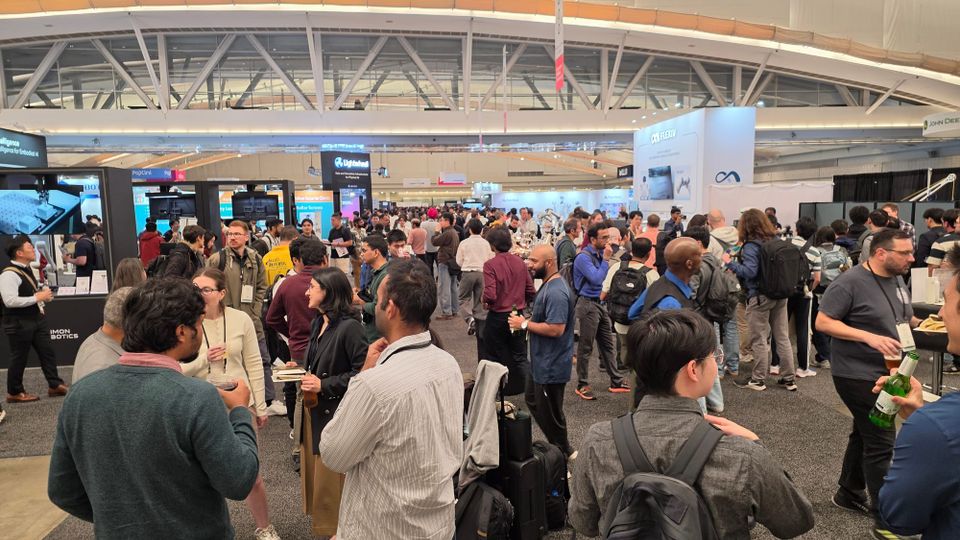
At the end of the day, the vendor exhibits opened, and I was amazed at how many options were available for humanoid robots- not experimental, made-to-order, but mass-produced, production-quality humanoids of various shapes and sizes, at price points that most projects could afford, from 5 to 50K USD.
One thing that became clear as I wandered the hall, Chinese companies are investing heavily in the humanoid form factor. Not all of them will survive, but for now it is amazing to witness the varied approaches and strategies. The one thing they all have in common is that they support open-source software and secondary development. Given that this is an academic conference, I shouldn't be surprised, but I expected to see more proprietary approaches to constrain what types of software could be written. A few photos and videos are included below:

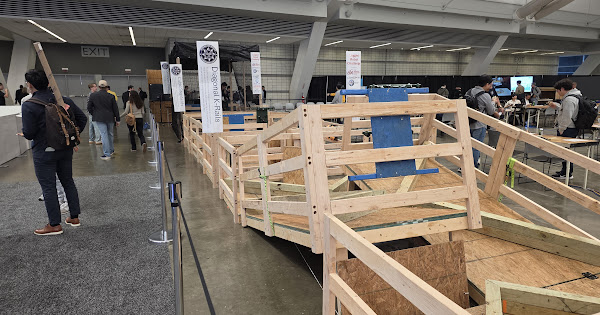
See the competition schedule in the photo album. I am hoping to catch a few of these events along the way.
In case you were wondering, I am saving my more insightful commentary for the end of the conference.

Comments ()